A Multi-Lens View of the India Union Budget 2024
We broke down India’s Union Budget 2024 from the lens of everyday citizens, analyzing how its policies affect farmers, startups, and non-resident Indians (NRIs) through a multi-source approach.
This wasn’t just about finance, it was about who gains, who adapts, and what India prioritizes on the world stage.
Project Type
Group Presentation & Critical Summary
Date
December 2024
Course
Current Economics & Business Analysis CA1 | Semester 6
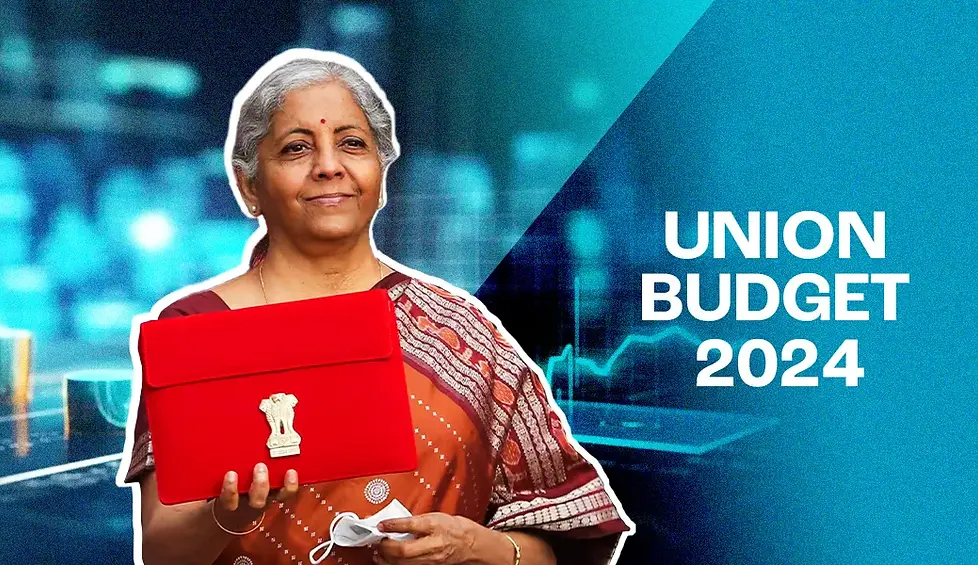
Is a nation’s ambition best seen in what it taxes, or in what it invests in?
What Sparked This?
This was part of our core economic analysis coursework, where we were encouraged to look beyond numbers and into the human and policy impact of fiscal decisions.
Our group chose to focus on:
-
Agriculture (because it’s still India’s largest employer),
-
Startups (as key engines of future growth), and
-
NRIs (whose remittances and investments are vital to India’s economy).
We drew from three separate news sources to avoid single-lens bias—turning it into a true multi-perspective economic reading.
What We Explored
Agriculture
Even though it contributes just under 15% to India’s GDP, agriculture sustains the majority of the population.
The 2024 budget tweaks:
-
Subsidy restructuring for fertilizers,
-
Faster crop damage compensation, and
-
Boosts to agri R&D.
We read these not as isolated moves, but as part of a bigger vision: a shift from support to productivity, and from survival to resilience and modernization.
Startups
The abolition of the Angel Tax is more than just good news, it signals a philosophical shift.
Startups no longer have to justify their "valuation logic" to the tax department, freeing up time, mental space, and capital.
We framed this move as India reclaiming its stake as a global innovation hub, especially for:
-
Early-stage investors
-
NRIs
-
Bootstrapped founders
NRIs & Taxation
The changes in capital gains tax and the revision of TDS rates made us ask:
“Is the government making NRIs feel like insiders—or outsiders with benefits?”
Some updates like:
-
Higher standard deductions,
-
Changes to the National Pension Scheme, and
-
Plans for an Income Tax Act overhaul
felt progressive. But others, like the increase in short-term capital gains tax to 20%, felt like a mixed signal.
We discussed how policy recalibrations can ripple through investment strategies, tax planning, and trust in governance.


Key Takeaways
-
Learned to compare policy with public sentiment, not just statistics.
-
Saw how budget narratives vary across media houses.
-
Became more curious about the ethics of fiscal planning: What’s "fair" in taxation? What’s "just" in allocation?